Sewage Cleanup & Decontamination in Fresno, CA
Sewage damage requires immediate cleanup to protect your property from contaminated water and lingering health hazards. Water Damage Restoration Fresno provides professional sewage cleanup and decontamination for homes and businesses across Fresno, CA. Our team uses specialized equipment and cleaning procedures to safely remove contaminated materials and restore affected areas.
When sewage backs up into a home or business, the problem is never just water on the floor. It's contaminated waste that touches flooring, drywall, and belongings, and it needs to be treated as a health hazard from the first minute. For anyone searching for sewage backup cleanup near me in Fresno, fast, informed action matters more than speed alone — knowing what you're dealing with comes first. Our team at Water Damage Restoration Fresno handles sewage cleanup across the city with that safety-first mindset.
What Makes Sewage Backups a Category 3 Water Problem
Not all water damage is the same, and sewage sits in its own category. Restoration professionals classify water into three tiers, and sewage falls into Category 3 — often called black water. This means the water contains bacteria, viruses, or other contaminants that can cause illness on contact.
Toilet overflows, backed-up sewer lines, and septic system failures are the most common causes we see. Unlike a clean supply-line leak, this type of water can't simply be dried and forgotten. Understanding how to clean sewage spill situations correctly starts with recognizing that Category 3 water damage cleanup requires different materials handling, different disinfection steps, and often the removal of porous materials that touched the contaminated water.
How Our Sewage Decontamination Process Works
Our sewage decontamination process follows a structured sequence rather than a single step. It generally moves through containment, water and debris removal, cleaning, disinfection, and a final verification check before a space is considered safe again.
Protective Equipment & Containment First
Before any cleanup begins, our technicians suit up in PPE equipment appropriate for contaminated water — N95 respirators, disposable coveralls, and waterproof gloves and boots. Containment barriers go up next to stop contaminated water from spreading into unaffected rooms. This step protects both the people doing the work and the parts of the property that haven't been touched yet, which matters since sewage can travel further than it looks like it has.
Extraction and Waste Material Removal
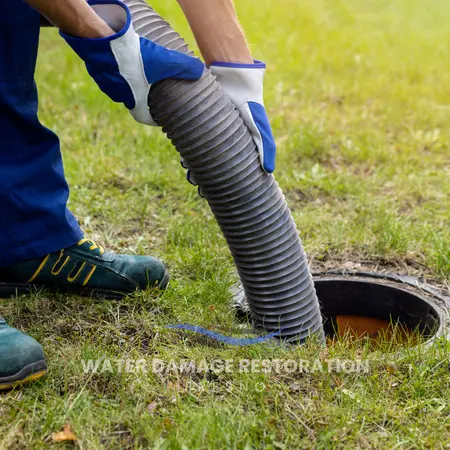
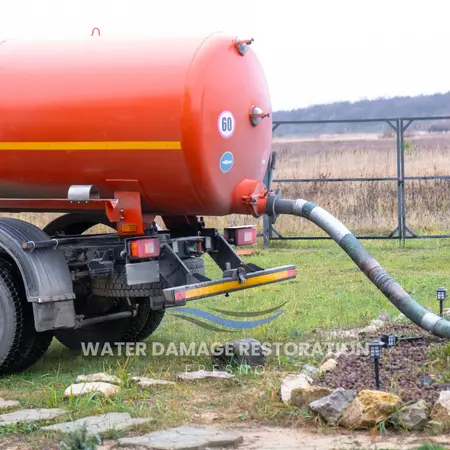
Once the area is contained, extraction equipment removes standing sewage and excess moisture as quickly as safety allows. Porous materials that absorbed contaminated water — carpet padding, drywall, insulation, and sometimes baseboards — often need to be removed rather than cleaned, since Category 3 water tends to soak in deeper than it appears on the surface.
This is one of the harder conversations we have with property owners. Nobody wants to hear that a section of drywall or a favorite rug can't be saved, and we try to explain exactly why before removal starts, not after. A calm explanation upfront usually helps people feel more in control of a situation that otherwise feels overwhelming.
Cleaning, Disinfection & Deodorization
After contaminated materials are removed, remaining surfaces get cleaned and treated with EPA-registered disinfectants suited for sewage exposure. Odor control follows, since sewage residue can leave a smell behind even after visible cleanup is done. This step is what separates surface cleaning from true decontamination.
Final Air Quality & Safety Checks
Before we consider a job finished, we check drying progress, surface cleanliness, and lingering odor concerns. If mold growth is suspected because materials stayed wet too long, that gets flagged separately — our mold remediation and testing team can evaluate further before anyone moves back into the space full-time.
Common Sewage Backup Scenarios We See in Fresno Homes
Older sewer lines and aging plumbing infrastructure are common in many Central Valley properties, and they're a frequent contributor to backup situations. A slow-draining sewer line that finally gives out during heavy household use — laundry, dishwashing, and showers all running the same evening — is a pattern we see regularly in older homes with clay or cast-iron sewer lines that have narrowed over the decades.
Septic system failures on properties outside city sewer connections are another recurring cause, especially when a tank hasn't been serviced in years. In multi-unit buildings, a backup on one floor can sometimes affect units below, which is why property managers dealing with a shared sewer line issue often need documentation of the source before repairs and cleanup both move forward.
Why DIY Sewage Cleanup Is Risky
Is it safe to clean up sewage myself?
Small, contained sewage incidents on hard flooring might seem manageable, but the health risk usually outweighs the convenience of handling it yourself. Sewage carries bacteria and pathogens that can enter the body through skin contact, inhalation, or contaminated surfaces touched later.
Beyond the health concern, untrained cleanup often misses contamination that has soaked into subflooring or wall cavities. What looks clean on the surface can still carry contamination underneath, which is why a professional assessment matters even when the visible mess seems small.
We generally advise against untrained individuals attempting cleanup of any sewage backup beyond wiping a small, isolated spill on a sealed hard surface. Anything involving standing water, carpet, drywall, or an unknown source should get a professional evaluation first.
Cost Factors for Sewage Cleanup in Fresno
Sewage cleanup costs vary based on several factors, and there's no single number that applies to every job. Projects often fall somewhere between a few hundred dollars for a small, contained incident and several thousand dollars for a larger backup that affected multiple rooms or required material removal.
Actual cost depends on the size of the affected area, how many materials need to be removed and replaced, and whether structural drying or mold prevention work is needed afterward. A licensed plumber may also need to address the source of the backup separately from the cleanup itself.
Get Sewage Cleanup Help in Fresno Now
Sewage backups don't get better with time, and the contamination risk only grows the longer the water sits. If you're dealing with a backup right now, our team is available 24/7 to talk through what's happening and get a response started.
Whether the source is a failed septic system, a backed-up sewer line, or an overflowing toilet, we handle Category 3 water damage cleanup with the safety precautions this kind of contamination requires. For related concerns, our flood damage and storm recovery and emergency water removal teams work closely together when a single event affects multiple systems.
Call us anytime at +1-855-636-7880 for sewage cleanup and decontamination in Fresno, or visit our Water Damage Restoration Fresno homepage to learn more about our full range of services.
Frequently Asked Questions (FAQs)
How long does sewage cleanup take?
Timelines depend heavily on the size of the affected area and how much material needs removal. A small bathroom backup might be resolved in a day or two, while a larger event affecting multiple rooms or requiring structural drying can take longer. Our specialized drying and content restoration process runs alongside decontamination when moisture has spread into surrounding materials.
Will my homeowners insurance cover sewage backup cleanup?
Coverage depends on your specific policy — some include sewage backup coverage as a standard feature, others require an added rider. We recommend contacting your insurance provider directly to confirm what your policy covers before assuming either way.
What's the difference between sewage cleanup and regular water damage cleanup?
Regular water damage from a clean source, like a burst pipe or slab leak, usually just needs extraction and drying. Sewage cleanup requires contamination-specific handling, disposal of certain porous materials, and disinfection steps that clean water damage doesn't call for.